
7 Best Soft Sensory Games for Quiet Classroom Corners
Last Updated: November 5, 2026
Quick Summary
Soft sensory games are quiet activities with a simple task, soft materials, and often a partner, which hold attention longer than a fidget toy alone. Our top pick is flannel matching pairs, handcrafted from soft American flannel for ages three to 103. Rotate only two or three games into the corner at a time.
Flannel matching pairs setup takes under a minute: lay pieces face down on a soft mat.
The silent shape hunt works best away from high-traffic areas and doorways.
In the Soft Toy Test Drive, children try each toy for about 60 seconds.
Keep visits short and self-directed, typically five to ten minutes.
Introduce the corner during a calm moment, not a meltdown, over three days.
Table of Contents
Why Quiet Games Belong in a Calming Corner
A calming corner is a designated classroom space where a child can go to settle big feelings, reset, and return to learning when ready (Calming Areas Overview and Ideas).
This guide from Witzkan focuses on one piece most setup guides skip: what children actually do there. Soft sensory games give restless hands and busy minds something gentle to focus on.
What the Research Says About Calm-Down Spaces
The evidence base for these spaces is still growing, but the direction is clear.
The Collaborative for Academic, Social, and Emotional Learning (CASEL) frames this as social-emotional learning: self-awareness, self-management, and relationship skills built through daily practice.
A common mistake is treating the corner as a reward or a punishment. Neither works. It should be a neutral, always-available tool, like a pencil sharpener.
How Soft Sensory Games Differ From Fidget Toys
Fidget toys keep hands busy. Soft sensory games do more: they add a goal, a texture, and often a partner. That combination supports tactile input, finger dexterity, and calm attention at the same time.
Here is the practical difference:
Fidget toys: open-ended, solo, no rules, easy to drop
Soft sensory games: a simple task, soft materials, often shared, easy to reset
Why it matters: a game holds attention longer than a fidget alone
Soft games also fit a classroom better. Quiet flannel and fabric make far less noise than plastic clickers or metal puzzles.
1. Flannel Matching Pairs: A Soft Sensory Game Built for Calm
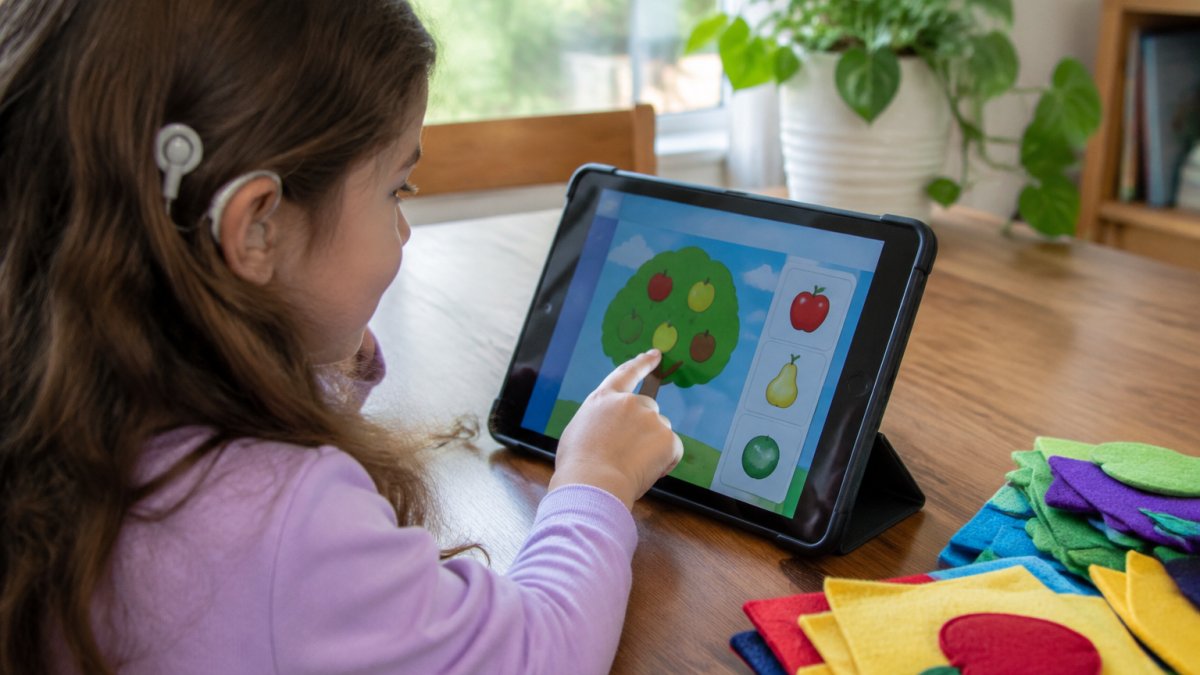
Flannel matching pairs is a memory game made from soft fabric squares instead of stiff cards. Children flip pieces, feel the texture, and match colors, shapes, or pictures.

This is where Witzkan comes in. Our handcrafted sets are sewn from soft American flannel in Saegertown, Pennsylvania, and designed for inclusive play from ages three to 103.
(/post/buy-handcrafted-flannel-sensory-tools-a-2026-guide) walks through the collection.
2. Quiet Texture Sort: Matching Soft Materials by Touch
Texture sorting asks children to group soft fabric pieces by how they feel: smooth, fuzzy, bumpy, or ribbed. No talking required, which makes it one of the quietest options on this list.
Set out three or four small bins or felt mats. Hand the child a stack of fabric squares and let them sort by touch alone. Many children find this deeply calming because it gives tactile input without any performance pressure.
Watch out: some children with tactile sensitivities dislike certain textures. If you teach students who may be tactile-sensitive, our guide to sensory toys for children with tactile sensitivities covers how to choose soft options that won't overwhelm them.
3. The Silent Shape Hunt: A Low-Distraction Location Game
The silent shape hunt hides soft shape pieces around the corner for children to find without a word. It works best in a low-distraction location away from high-traffic areas and doorways.
How it runs:
Hide five to eight soft shapes around the corner
The child finds them and places each on a matching board
No talking, no running, just quiet searching
This game builds visual scanning and self-regulation. It also keeps movement contained, which matters in a shared classroom.
4. Breathing and Calming Strategies With Soft Props
Breathing exercises work better when a child has something to hold. A soft prop gives the hands a job while the breath slows down.
Try these calming strategies:
Belly breathing: child lies down with a soft flannel piece on the belly and watches it rise and fall
Trace and breathe: child traces the edge of a soft shape while breathing in and out
Squeeze and release: child gently squeezes a soft fabric ball, then lets go
Pair these with a simple breathing chart on the wall. A chart with pictures helps children who can't yet read follow along on their own.
5. Sensory Toys for a Calming Corner: Choosing Soft, Safe Options
Most calm-corner guides stop at a shopping checklist. This section does something more useful: it turns the selection process into a quiet, child-led game called the Soft Toy Test Drive, so children practice choosing a tool before they need one. The checklist still matters, but it becomes a setup step rather than the whole activity.
The Soft Toy Test Drive
Set out three to five candidate soft sensory toys on a low tray. Keep the selection small so the choice stays calm. Invite one child at a time to try each item for about 60 seconds, then place it in one of three felt bins labeled Yes, Maybe, and No. The child is sorting by preference, not by behavior, which keeps the activity neutral and voluntary.
How it runs:
Round one: the child squeezes, rolls, or holds each toy for a slow count of ten
Round two: the child places each toy in a bin and says one word about how it felt
Round three: the child picks one Yes toy to use during the next quiet-corner visit
This game encourages noticing how a texture feels and gives you a record of which materials a child actually reaches for. Keep the bins on a shelf so the child can repeat the sort later; preferences shift with mood and time of day.
The Selection Checklist Behind the Game
Before any toy goes on the tray, screen it against these criteria:
Soft fabric or foam with no hard plastic edges or seams that can split Explore Our Designs →
Machine washable or wipe-clean, since shared soft items collect germs quickly
No small parts that could detach; check seams and attached pieces by tugging gently
Quiet in use, with no bells, clickers, or battery-powered sounds
Age-appropriate for the youngest child who will have access
Safety comes first. Before buying for a classroom, our 7 steps to verify child safety certifications explains exactly what to check and how to confirm it.
When you're ready to stock the corner, you can browse the full product catalog to pick soft sensory games that fit your space.
Screen every candidate toy against these criteria before it goes on the tray.
Criterion | What to check |
Material | Soft fabric or foam, no hard plastic edges or split seams |
Cleaning | Machine washable or wipe-clean for shared use |
Small parts | No detachable parts; tug seams and attached pieces gently |
Noise | Quiet in use, no bells, clickers, or battery sounds |
Age | Appropriate for the youngest child with access |
6. Calming Corner Ideas for Classroom Setup, Supervision, and Cleanup
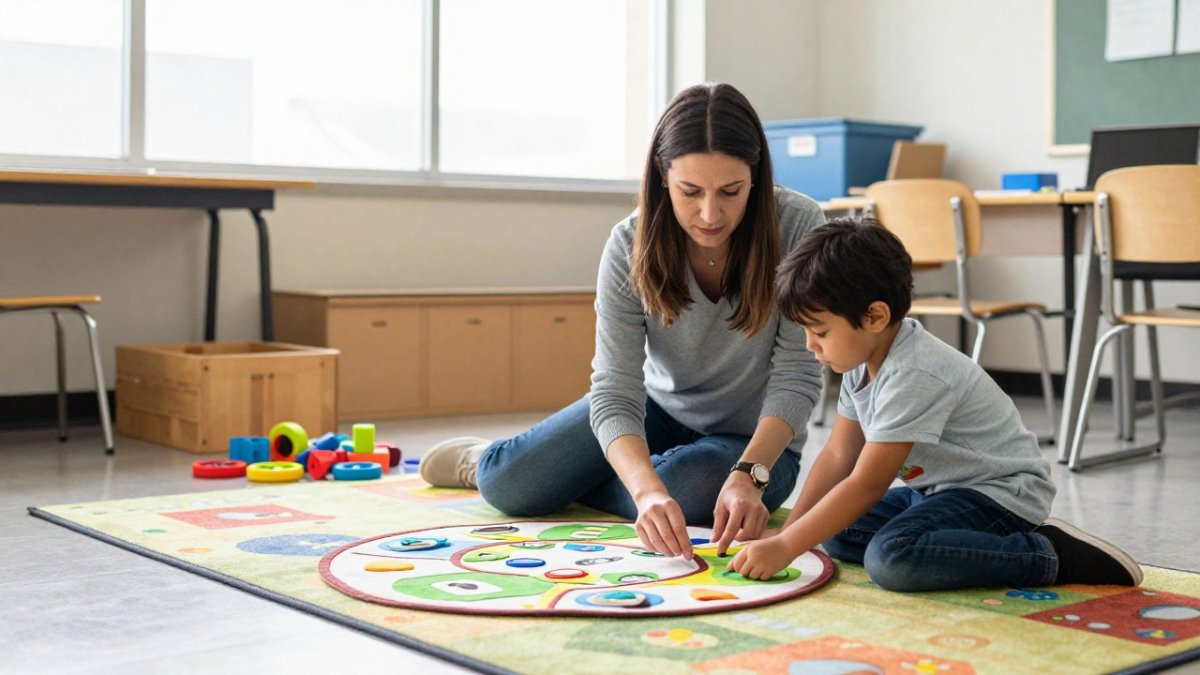
A calm corner only works if the games inside it can be set up, supervised, and reset without pulling you away from the rest of the class. This section gives you a repeatable routine built around the games above, plus the noise and disruption guidance most setup guides skip.
A Five-Minute Setup Routine
Build the corner so a child can start a game independently in under a minute:
Store each game in a labeled bin at child height, with a picture label for pre-readers
Keep one soft mat and one low tray in the corner at all times
Post a three-step picture card inside the bin lid: choose, play, reset
Rotate only two or three games into the corner at a time. Fewer choices mean calmer play and faster cleanup.
Noise and Disruption Management
Soft sensory games are quiet by design, but a shared classroom still needs boundaries:
Choose games with fabric, felt, and foam only; avoid plastic clickers, metal puzzles, and anything that rattles
Set a one-game-out rule so pieces do not migrate across the floor
Position the corner away from doorways, walkways, and whole-group instruction areas
Watch out: a game that is quiet in one classroom can be disruptive in another if the corner sits next to a reading group. Walk the room at eye level before you finalize the location.
Supervision Without Hovering
Teach the routine once, then practice it during a calm moment. Check in with a quiet glance or a single thumbs-up rather than a conversation, which pulls the child out of the calming activity. If a child needs help, kneel at the edge of the mat and use a low voice.
The Two-Minute Reset
Build a reset into the end of every visit so the next child finds the corner ready:
Return every piece to its labeled bin
Fold the soft mat and place it on the shelf
Flip the picture card back to ready
A simple rule helps: one game out at a time, reset before you leave. That single habit keeps the corner usable all day without extra staff time.
7. Introducing Games Without Making the Corner Punitive
The biggest mistake with a calm-down corner is making it feel like punishment. If children only visit after misbehaving, they learn to avoid it.
Introduce the corner during a calm moment, not a meltdown. Let children explore the games when everyone is settled. Frame it as a place to recharge, not a place to be sent.
Try this:
Day one: tour the corner and name each game
Day two: practice a game together as a class
Day three: let children choose a game during free time
For more calming activity ideas, our guide to calming activities for sensory processing disorder goes deeper.
Simple Ways to Observe Whether an Activity Helps
You don't need formal testing. Watch for small signals:
Breathing slows during or after the game
Hands stay busy instead of restless
Return to learning happens faster
If a game doesn't help, swap it out. The right fit varies by child and by sensory preferences.
Frequently Asked Questions
What are some good quiet class games for a sensory corner?
Soft sensory games engage touch without adding noise. Flannel matching pairs, texture sorting, and silent shape hunts keep hands busy while voices stay low. Look for games made from soft materials like flannel or felt, with pieces large enough for small hands and durable enough for daily classroom use. The goal is tactile input and focus, not competition, so choose activities a child can do alone or with one partner.
What should you put in a classroom calming corner?
Start with a low-distraction location away from high-traffic areas, then add soft materials: pillows, a small rug, books with visual prompts, and a few quiet sensory games. Include breathing charts or emotion cards so students can name what they feel. Keep the rotation small, three to five activities at a time, and swap them weekly. Too many choices can overwhelm a child who is already dysregulated, so fewer, well-chosen soft sensory games work better than a crowded shelf.
How do you introduce a quiet corner without making it feel like punishment?
Frame the corner as a choice available to everyone, not a consequence for misbehavior. Introduce the games during a calm whole-class lesson, let students practice using them, and describe the corner as a place to reset. Teachers can model using it themselves. Avoid sending a child there mid-meltdown as a directive; instead, offer it as one option alongside a drink of water or a walk. When students see peers choosing the corner freely, it stops feeling punitive.
How do you know if a soft sensory game is actually helping a student?
Watch for simple signs over a week or two: shorter recovery time after upset, fewer redirections, and a child returning to work without prompting. Note whether the student chooses the game independently and stays with it for several minutes. Brief, consistent observation notes, even a quick tally, help teachers spot patterns. If a game gets ignored or winds a child up, swap it out. The right soft sensory game fits the child's sensory preferences, so adaptation matters more than any single product.
Setting up a calm corner that truly works takes the right games, not just the right furniture. Witzkan makes soft sensory games that fit quiet classroom corners: handcrafted from American flannel, US child safety certified, and designed for inclusive play from ages three to 103. Our games support finger dexterity, memory, and a calming tactile experience. Get started with Witzkan and give every child a quiet way to reset.

Comments